Cart
0
Published by Simple Deals · 5 min read
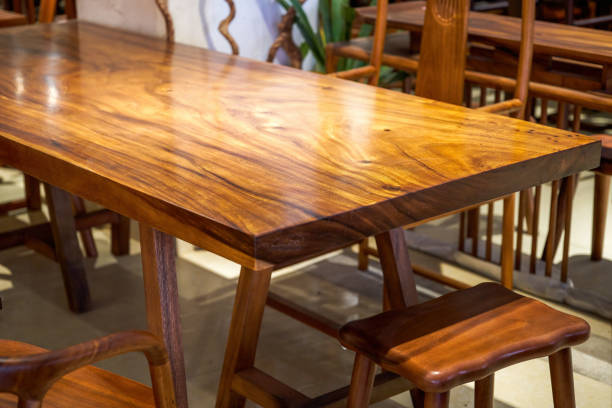
So you've got a beautiful wooden dining table. Maybe you just bought it, maybe it's been in the family for years. Either way, someone spilled red wine on it last week and now you're here.
Good news — wood is more forgiving than people think. The bad news is most people are cleaning their tables wrong, and slowly wrecking them without realising it.
This guide tells you exactly what to do, what products actually work (and where to get them), and what to never, ever use on timber.
First — What Finish Does Your Table Have?
Before you reach for any product, you need to know what's on your table surface. The finish determines everything.
Run your finger across the table. If it feels:
- Smooth like plastic, with a slight sheen — it's varnished or lacquered. Most modern dining tables from retailers like Simple Deals come with this finish. It's the most durable and low-maintenance.
- Like you're touching the wood itself, slightly raw — it's oiled or waxed. More natural looking but needs more regular care.
- Painted — treat it like lacquer, but be gentler.
Not sure? Try this: put a drop of water on a hidden spot. If it beads up and sits on top, the finish is intact and sealed. If it soaks in within 30 seconds, your finish is worn or it's an oiled table.
Everyday Cleaning — What Actually Works
Here's the simple rule for daily cleaning: damp, not wet. Dry immediately.
What to use:
A good microfibre cloth is honestly the best tool you'll own for this. The Vileda Microfibre Cloths from Bunnings (~$12 for an 8-pack) are soft enough for timber surfaces and won't scratch. Get two — one damp, one dry. Wipe with the damp one, follow immediately with the dry one. Done.
For a light clean with stuck-on mess, mix a few drops of regular dish soap (Palmolive, Morning Fresh, whatever's in your kitchen) into a bowl of warm water. Dip your cloth, wring it out until it's barely damp, wipe in the direction of the grain, then dry straight away. That's it. You don't need fancy timber spray cleaners for everyday use.
What to never use:
- Paper towels — they scratch over time and leave fibres
- The rough side of a sponge — same problem
- Spray and Wipe, Glen 20, Dettol spray or any multi-surface cleaner — the chemicals in these degrade timber finishes over time, especially lacquer
- Too much water — wood and water are enemies. Even sealed tables hate sitting wet.
- Steam mops — an absolute no for timber. The heat and moisture force open the grain and can warp a table permanently.
The Stuff That Destroys Tables (That Everyone Does Anyway)
Hot mugs straight on the table. The heat creates a white ring under the finish on lacquered tables — sometimes permanently. Always use a coaster. A cork coaster from Kmart for $3 saves a $600 table.
Cold drinks without coasters. Condensation from glasses seeps under the finish and creates white rings or cloudy patches. Same fix — coaster.
Plastic tablecloths left on for weeks. The plasticisers in vinyl tablecloths react with timber finishes and cause permanent staining. Use cotton or linen, or make sure your plastic one is completely off between uses.
Putting the table in direct sun. UV fades timber and dries it out, causing cracking and colour change. If your dining room gets afternoon sun through a window, use a blind or keep a tablecloth on during peak sun hours.
How to Fix a White Ring (Before It's Permanent)
Caught it early? Try this first:
- Put a clean cotton cloth over the ring
- Set your iron to low heat, no steam
- Run the iron over the cloth for 10–15 seconds
- Check — the heat draws the moisture back out
Alternatively, rub a small amount of petroleum jelly (Vaseline) into the ring, leave it overnight, then wipe off. Works surprisingly well on mild rings.
For deeper rings, Feast Watson makes a Scratch Cover product available at Bunnings (~$15) that blends into the timber colour and hides minor surface marks. There's a light and dark version — match it to your table.
Caring for an Oiled Table — the 6-Monthly Ritual
If you have an oiled timber table, this is the one you actually need to do.
Every 6 months, the oil needs refreshing. You'll know it's time when the wood starts to look dull, feels drier than usual, or water starts absorbing instead of beading.
What to use:
For indoor oiled tables, Feast Watson Kitchen Timber Oil (~$25 at Bunnings) is the go-to Australian product. It's food-safe once cured, works on oak, teak and most hardwoods, and gives a beautiful natural finish. Cabot's Garden Furniture Oil is also widely available and works well on harder timbers.
How to do it:
- Clean the table first and let it dry completely
- Use a soft cloth (old cotton t-shirt works perfectly) to apply the oil in the direction of the grain — thin coat, don't glob it on
- Let it soak in for 30–45 minutes
- Wipe off every bit of excess — this step is critical, any oil left sitting will become sticky and tacky
- Let it dry 24 hours before using the table
- Apply a second coat if the wood still looks thirsty after the first
That's it. Your table will look like new.
Caring for a Lacquered or Varnished Table — Much Easier
Lacquered tables are low maintenance. The finish does all the protecting. Your job is just to keep it clean and check for damage.
Once a year, run your hand over the whole surface and look for:
- Chips or worn patches — these let moisture in underneath and cause the finish to bubble and peel. Touch them up with a small brush and matching timber varnish (Cabot's Clear Polyurethane from Bunnings is $30–50 depending on size)
- Scratches — minor ones can be buffed with Feast Watson Scratch Cover. Deep ones through the finish need a touch-up coat
For a bit of extra shine and protection, Feast Watson Mastertouch Carnauba Wax (~$20 at Bunnings) applied every 6 months gives lacquered tables a beautiful lustre and adds a layer of protection. Apply with a soft cloth, leave 5 minutes, buff off. Easy.
Quick Reference — What You Need
Here's your shopping list. Everything is at Bunnings or Kmart:
| What | Product | Cost | Where |
|---|---|---|---|
| Everyday cleaning cloths | Vileda Microfibre Cloths 8-pack | ~$12 | Bunnings |
| Oiled table maintenance | Feast Watson Kitchen Timber Oil | ~$25 | Bunnings |
| Scratch cover | Feast Watson Scratch Cover (light or dark) | ~$15 | Bunnings |
| Shine and protection | Feast Watson Carnauba Wax | ~$20 | Bunnings |
| Lacquer touch-up | Cabot's Clear Polyurethane | ~$35 | Bunnings |
| Coasters (the most important thing) | Cork coasters 6-pack | ~$3 | Kmart |
| Placemats | Any fabric set | ~$15 | Kmart/Target |
Total spend to properly care for a timber table for a year: around $50–75. On a table that could last 30–50 years, that's a no-brainer.
When It's Time for a New Table
Sometimes a table is past saving — structural damage, deep water staining through the timber, or it just doesn't fit the space anymore. If you're in the market for a new dining table and want to make the right choice from the start (so you're not googling how to fix a water ring in two years), the wood species you choose matters a lot.
We wrote a detailed guide on exactly this: What Wood Is Best for Dining Tables? The Complete Australian Buying Guide — it covers oak, teak, mahogany, pine and more, with honest advice on what holds up in Australian conditions.
And if you're ready to shop, browse our full range of dining tables — all with free shipping on most orders and Afterpay available.
Got a question about your specific table? Drop us a message — our team is based in Australia and actually knows timber.